Overview
Hip hop dance has evolved since the 1970s, influenced by socio-political movements and iconic artists like Tupac and Kendrick Lamar. From breakdancing's inception in the Bronx to mainstream recognition in the 80s, diversification in the 90s, and global commercialization in the 2000s, hip hop dance continues to innovate with fusion styles and social media trends. Today, it remains a powerful form of self-expression, connecting diverse cultures and adapting to new technologies.
Contents
The Birth of Hip Hop Dance: The 1970s
The 1980s: Mainstream Recognition
The 1990s: Diversification of Styles
- Breaking Down the Styles
The 2000s: Global Influence and Commercialization
- The Notable Styles of the 2000s
The 2010s and Beyond: Fusion and Innovation
- Modern Styles to Watch
The Future of Hip Hop Dance
Join the Dance Revolution!
FAQs
- What is the origin of hip hop dance?
- What are some key styles of hip hop dance?
- How did hip hop dance gain mainstream recognition in the 1980s?
- What influenced the diversification of hip hop dance styles in the 1990s?
- How has technology impacted hip hop dance in recent years?
Hip hop culture, from its inception in the 1970s, has always had a dynamic relationship with dance. This lively form of self-expression has evolved over the decades, influenced by socio-political movements, music evolution, and the artistry of dancers themselves. Not only has hip hop dance become an art form, but it has also captured the attention of global audiences, breaking barriers and uniting cultures. Today, we explore the evolution of hip hop dance styles and their impact on the genre, along with significant influences from iconic hip-hop artists like Kendrick Lamar, Drake, J Cole, Eminem, and Tupac.
The Birth of Hip Hop Dance: The 1970s
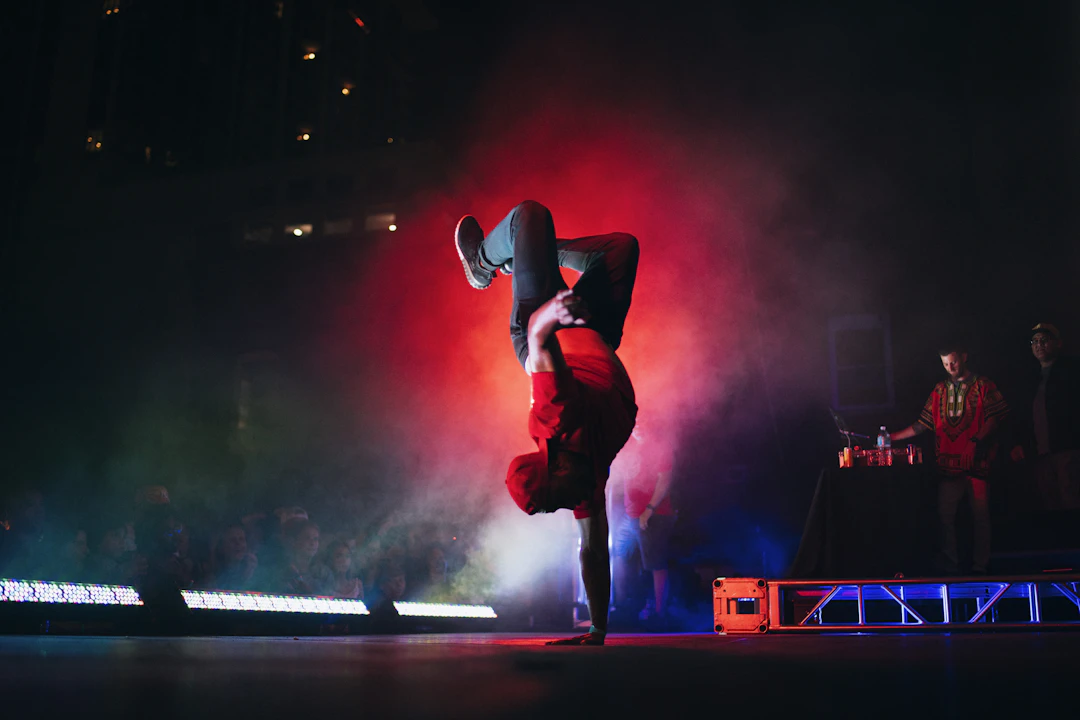
Hip hop dance emerged in the 1970s in the Bronx, New York City, alongside the burgeoning hip hop music scene. It was during this time that dancers cultivated styles that would define the genre. Breakdancing, also known as b-boying, became the most recognizable form of hip hop dance. This expressive style blended acrobatics, spins, and floor work, providing dancers a canvas to showcase their individual creativity.
Breaking: Originating from the streets, this style involves power moves, freezes, and intricate footwork.
Locking: Characterized by its jerky movements and poses, locking adds a theatrical performance element to hip hop dance.
Popping: This robotic style is based on quickly contracting and relaxing muscles to create a rhythmic popping sound.
The 1980s: Mainstream Recognition
As hip hop entered the mainstream in the 1980s, dance began to gain more visibility thanks to television and movies. Films likeFlashdanceandBeat Streetshowcased hip hop dance and further popularized breakdancing. This decade marked a significant shift, with dancers beginning to incorporate more structured routines and choreography, attracting a broader audience.
One key event in hip hop dance history during this decade was the television showSoul Train. This platform provided a stage for dancers to display their skills, transforming individual styles into choreographed dances. Hip hop icons like Run-D.M.C. and later Tupac utilized choreography in their music videos, solidifying dance as a vital part of hip hop culture.
The 1990s: Diversification of Styles
By the 1990s, hip hop dance had evolved significantly with the introduction of new styles and influences from other genres. Dancers began to blend hip hop with jazz, modern dance, and even street styles such as house and whacking. This era saw the rise of dance crews, leading to more competitive environments and innovative performances.
Prominent hip-hop artists such as Eminem and Drake made their mark in this decade. Music videos featuring intricate choreographed dance routines become staples, and television contests, likeAmerica's Best Dance Crew, showcased talented crews pushing the boundaries of hip hop dance. This era also introduced a greater focus on expressive storytelling through movement, influencing how dancers approached their routines.
Breaking Down the Styles
As hip hop continued to evolve, several influential dance styles emerged during the 1990s:
Jazz Funk: A fusion of jazz dance and hip hop, this style emphasized sharp and dynamic movements, often seen in music videos.
Krumping: Originating from the streets of Los Angeles, krumping focuses on expressive, energetic movements, embodying raw emotional energy.
Locking and Popping: These styles gained renewed popularity, becoming staples in many performances and competitions.
Street Jazz: A blend of street dance and jazz elements, influenced heavily by the media and pop culture.
The 2000s: Global Influence and Commercialization
With the turn of the millennium, hip hop dance saw even greater commercialization, reaching audiences worldwide. Pop culture icons like J Cole and Kendrick Lamar played pivotal roles in shaping hip hop music, which, in turn, influenced the dance techniques associated with their songs. The availability of online platforms like YouTube made it easier for dancers worldwide to inspire one another, leading to a rapid exchange of styles and ideas.
The rise of dance competitions and reality TV shows created a platform for dancers to showcase their skills on a larger stage. Events likeWorld of DanceandSo You Think You Can Dancenot only highlighted talented dancers but also spread various styles, encouraging a blend of traditional hip hop with other contemporary forms.
The Notable Styles of the 2000s
During the 2000s, several dance styles gained immense popularity:
Contemporary Hip Hop: Blending traditional hip hop with contemporary dance techniques, this style became a favorite in competitive dance.
Street Dance: Often improvised, this style continued to thrive, focusing on the raw, energetic movement that defines hip hop.
Choreographed Dance: With artists like Kendrick Lamar raising choreographed performance standards, music videos became more intricate, featuring elaborate routines.
The 2010s and Beyond: Fusion and Innovation
The 2010s brought a wave of new fusion styles, as dancers continued to push boundaries and innovate. Hip hop dance is not static; it constantly evolves by integrating elements from various influences. Styles like dancehall and Afrobeat have found their way into hip hop dance routines, leading to a vibrant collaboration of cultures.
Moreover, social media platforms like TikTok have revolutionized how dance is shared and consumed. Viral dance challenges have become synonymous with new music releases, prompting fans to engage in the art form by replicating moves from their favorite artists' videos. This trend pulls in younger generations, ensuring that hip hop dance remains relevant and accessible.
Modern Styles to Watch
Today, some of the most prominent styles that have emerged include:
Vogue and Waacking: A theatrical style focused on presenting unique poses and movements that tell a story.
Hip Hop Fusion: Drawing from multiple dance forms, this style encourages creativity and individuality.
Commercial Dance: A widely accepted style that revolves around performances for music videos and live events.
The Future of Hip Hop Dance
As hip hop continues to grow and adapt, so will its dance styles. The lasting influence of artists like Eminem, Drake, and Tupac ensures that hip hop dance will remain a powerful form of self-expression. The evolution of hip hop dance is indicative of the culture's ability to resonate with audiences far beyond its origins.
Looking forward, we can anticipate even more integration of technology in choreography, with creativity flourishing from virtual dance studios and online collaborations. Whether it's through augmented reality or innovative dance apps, the essence of hip hop dance will remain grounded in its roots while embracing future possibilities.
Join the Dance Revolution!
Hip hop dance is an ever-evolving art form that transcends mere movement. It tells stories, expresses emotions, and connects people from diverse backgrounds. By embracing the evolution of styles over the decades, we celebrate the culture that continues to inspire countless dancers worldwide. So whether you’re a seasoned performer or a curious newbie, there has never been a better time to engage with hip hop dance. Step out, get moving, and join the revolution!
FAQs
What is the origin of hip hop dance?
Hip hop dance originated in the 1970s in the Bronx, New York City, alongside the rise of hip hop music.
What are some key styles of hip hop dance?
Key styles include breaking (b-boying), locking, and popping, each with distinct movements and characteristics.
How did hip hop dance gain mainstream recognition in the 1980s?
Hip hop dance gained visibility through television shows and movies like 'Flashdance' and 'Beat Street,' which showcased breakdancing and choreographed routines.
What influenced the diversification of hip hop dance styles in the 1990s?
The 1990s saw the blending of hip hop with jazz, modern dance, and street styles, along with the rise of dance crews and television competitions.
How has technology impacted hip hop dance in recent years?
Technology, particularly social media platforms like TikTok, has revolutionized how dance is shared and consumed, making it more accessible and engaging for younger audiences.